

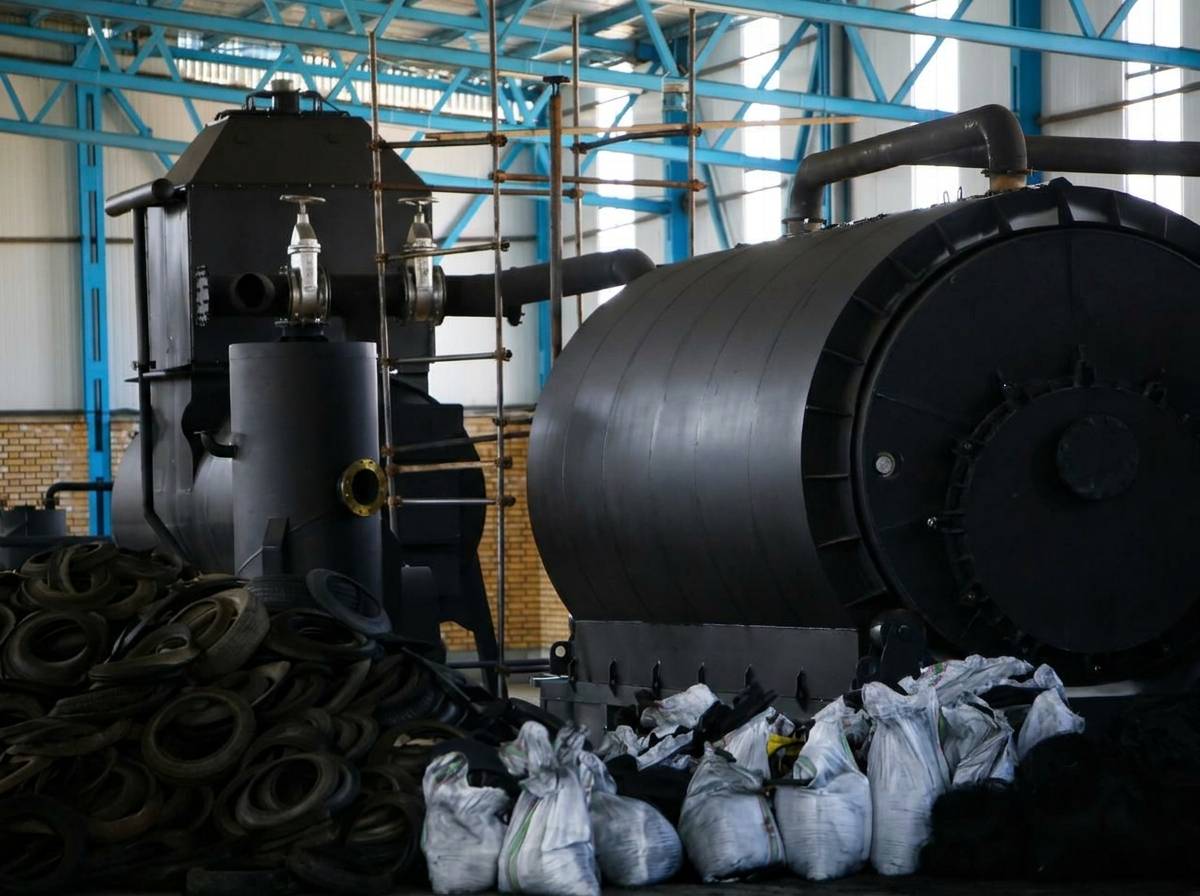
In recent years, waste recycling and the conversion of discarded materials into valuable resources have become major priorities for industries and communities worldwide. Among the technologies attracting increasing attention, pyrolysis stands out as a practical and innovative solution. But what exactly is pyrolysis, and why has this technology become so important?
In simple terms, pyrolysis is a thermal decomposition process in which organic materials are heated in the absence of oxygen or under very limited oxygen conditions. During this process, materials such as plastics, rubber, waste tires, organic sludge, and certain carbon-based wastes are exposed to controlled temperatures and converted into useful products such as pyrolysis oil, gas, and solid carbon.
Pyrolysis is not simply a waste disposal method; it is a technological approach to recycling, energy recovery, and reducing environmental pressure. For this reason, many industries are seeking a deeper understanding of the technology and its potential for industrial-scale applications.
How Does Pyrolysis Work?
To better understand how the pyrolysis process works, it is useful to examine it step by step.
In a pyrolysis process, the feedstock is introduced into a reactor or thermal processing system. The material is then heated to a specified temperature under conditions where oxygen is absent or extremely limited. Because oxygen is not available for combustion, the material does not burn. Instead, its molecular structure breaks down and is transformed into new compounds.
The main outputs of pyrolysis generally include:
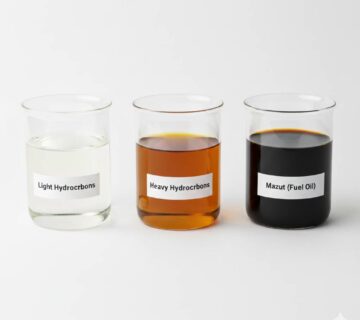
1) Pyrolysis Oil
A hydrocarbon-based liquid whose properties and industrial value depend on the type of feedstock, system quality, and process conditions.
2) Combustible Gases
A portion of the pyrolysis products is released in gaseous form. In many systems, these gases can be reused to help supply part of the energy required for the pyrolysis process itself.
3) Solid Carbon or Recovered Carbon Black
When certain feedstocks such as waste tires are processed, part of the output remains as a carbon-rich solid material. With appropriate downstream processing, this material can have significant economic value.
4) Metals
In certain feedstocks such as waste tires, the steel wires contained in the tires remain as a recoverable output after the pyrolysis process is completed.
It should also be noted that when organic feedstocks such as plant and animal waste are used, the main outputs of the pyrolysis system may include biochar and bio-oil.
Common Feedstocks Used in Pyrolysis
One of the reasons pyrolysis technology is so important is the wide variety of feedstocks that can potentially be processed. However, the feedstock type, expected product quality, and system design must be properly matched. Some of the most common materials used in pyrolysis processes include:
- Waste tires and rubber
- Various types of plastic waste (PP, PET, etc.)
- Various types of hospital waste
- Animal- and plant-based organic waste
- Sludge containing organic compounds
- Specific carbon-based materials used in certain industrial applications
- Dry and wet municipal waste
- Waste and sludge from treatment plants
- Oil sludge and refinery waste
- Oil-contaminated soil
It is important to recognize that not every material is suitable for pyrolysis. Feedstock selection should be based on technical, economic, and environmental assessments. This realistic approach is essential for the successful design and implementation of a pyrolysis project.
What Are the Industrial Applications of Pyrolysis?
When we ask about the applications of pyrolysis, we are essentially discussing the ability of this technology to address real industrial and environmental challenges. The most important applications include:
1) Recycling Waste Tires and Rubber
Waste tires are among the most challenging forms of industrial waste. Pyrolysis can convert them into valuable products while helping prevent uncontrolled accumulation or improper burning.
2) Recycling Certain Types of Plastic Waste
Some plastic wastes that are difficult or inefficient to recycle mechanically may, under suitable conditions, be recovered through pyrolysis.
3) Producing Fuel or Industrial Intermediate Materials
In certain applications, pyrolysis oil can be processed and refined for use as an industrial fuel or as a feedstock for further processing.
4) Producing Recovered Carbon Black
In projects using appropriate feedstocks and properly designed systems, the solid carbon output can be processed into a higher-value recovered carbon black product.
5) Supporting Waste Management and Sustainable Development
Alongside other recycling technologies, pyrolysis can form part of an integrated solution for managing industrial and municipal waste.
What Are the Benefits of Pyrolysis?
Understanding the advantages of pyrolysis can help investors, manufacturers, and industrial operators make more informed decisions. Some of the most important benefits include:
Reducing Waste Volume
Pyrolysis can convert certain bulky and problematic waste streams into usable products, reducing the amount of material requiring landfilling or long-term storage.
Recovering Value from Waste
One of the most attractive aspects of this technology is its ability to transform low-value or otherwise unusable waste materials into products with economic potential.
Producing Multiple Valuable Outputs
Products such as oil, gas, and solid carbon provide flexibility for a range of industrial applications.
Supporting the Circular Economy
By returning part of the waste stream to productive industrial use, pyrolysis aligns closely with the principles of the circular economy.
Supporting a Greener Industrial Future
When properly designed, operated, and controlled, pyrolysis can contribute to the transition toward greener and more responsible industrial practices.
Is Pyrolysis Always the Best Option?
The straightforward answer is no—not in every situation and not for every type of waste.
Pyrolysis is a valuable technology, but its success depends on several important factors, including:
- Feedstock type and quality
- Engineering design of the system
- Temperature and process control
- Equipment quality
- Environmental requirements
- Operating costs
- Market demand for the output products
Therefore, pyrolysis should be approached from a technical, realistic, and economically and environmentally informed perspective—not simply as a promotional concept.
What Is the Difference Between Pyrolysis and Incineration?
One of the most common questions is how pyrolysis differs from direct incineration.
During incineration, a material burns in the presence of oxygen and releases energy. In pyrolysis, however, the material is thermally decomposed in the absence of oxygen. This fundamental difference results in a more controlled process and produces different types of outputs.
In simple terms:
- Incineration: The primary objective is to release energy through combustion.
- Pyrolysis: The primary objective is thermal decomposition and the production of recoverable products.
Because of this distinction, pyrolysis is considered in certain applications as a more advanced thermal recovery method compared with simple waste incineration.
Why Is a Proper Understanding of Pyrolysis Important for Iranian Industry?
Iran faces a variety of challenges in waste management, recycling, energy, and industrial development. At the same time, the country has significant potential for developing domestic technologies and industrializing innovative solutions. Under these conditions, a proper understanding of what pyrolysis is, as well as its opportunities and limitations, can support better decision-making across different industries.
Pyrolysis delivers its greatest value when:
- It is implemented based on sound technical knowledge
- Appropriate and standardized equipment is used
- A detailed economic analysis is carried out
- The project is managed with a long-term and responsible approach
Building accurate awareness around this technology can help advance sustainable industrial solutions while reducing unrealistic or superficial expectations.
The Role of Pyrolysis Equipment in Product Quality
When discussing a pyrolysis unit or an industrial pyrolysis system, we are essentially talking about the heart of the entire project. The quality of the system’s engineering and manufacturing directly affects:
- Process efficiency
- Operational stability
- Operational safety
- Quality of output products
- Energy consumption
- Maintenance costs
- Compatibility with different feedstocks
For this reason, selecting or designing a pyrolysis line should not be based solely on advertised capacity or marketing claims. Detailed engineering evaluation, the manufacturer’s experience, manufacturing quality, and after-sales support are all highly important considerations.
Conclusion: What Is Pyrolysis and Why Does It Matter?
In summary, pyrolysis is a controlled thermal decomposition process carried out in the absence of oxygen that can convert certain organic and carbon-based wastes into useful products such as oil, gas, and solid carbon.
The importance of this technology lies in its ability to create an effective connection between recycling, energy recovery, waste reduction, and sustainable industrial development. However, success in this field requires technical expertise, high-quality equipment, transparency, and realistic analysis.
For industries and investors focused on a greener future, higher efficiency, and creating value from waste, pyrolysis can be an important option worth evaluating—provided that the decision is based on proper understanding and professional planning.
Ready to Upgrade Your Production Line?
For expert consultation, technical assessment, and a solution tailored to your operational requirements, contact the Kiyan Saze Malahat team today.
Request Expert ConsultationWe are more than an equipment supplier; we work alongside you to help identify the right path for your project. If you would like to learn more about pyrolysis, its applications, and its real industrial opportunities, contact the Kiyan Saze Malahat team for expert consultation.
FAQ
Pyrolysis is a thermal process in which organic or carbon-based materials are decomposed in the absence of oxygen or under very limited oxygen conditions, producing products such as oil, gas, and solid carbon.
No comment