

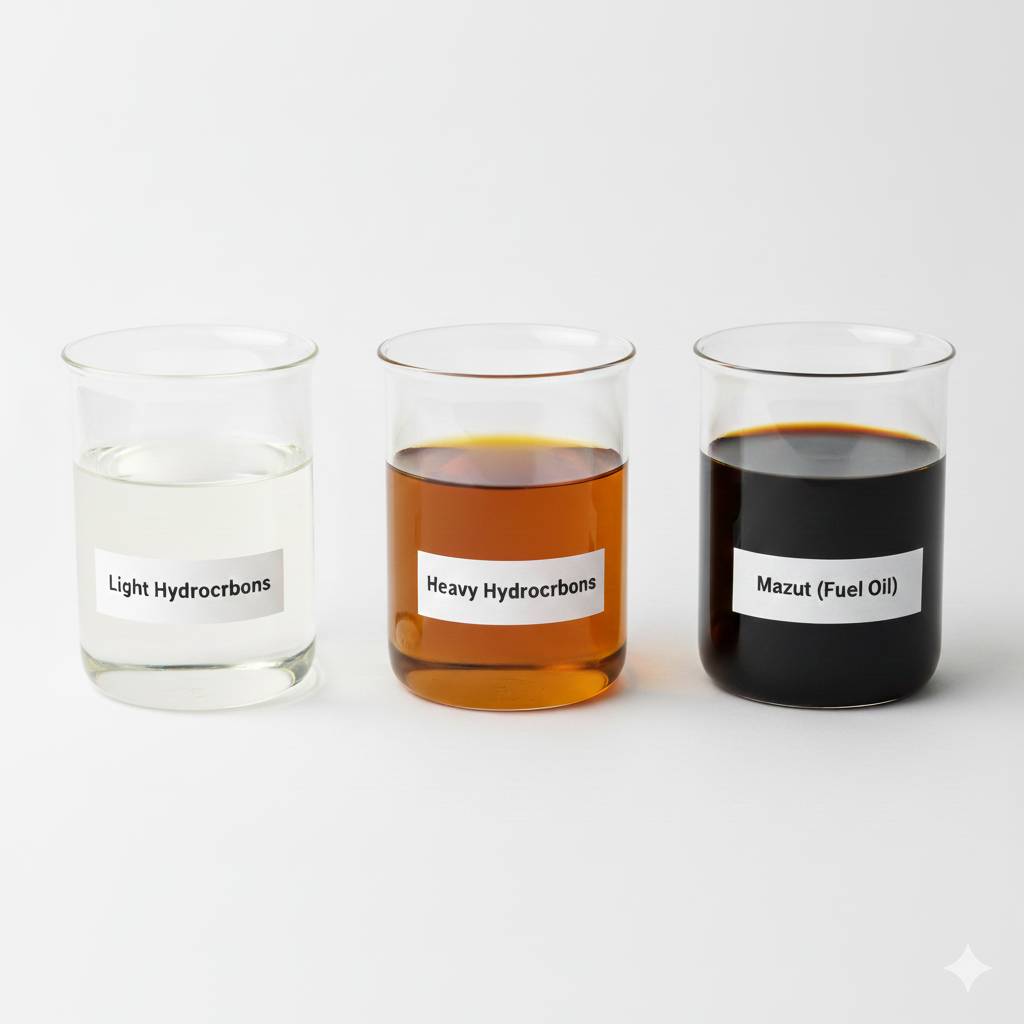
In today’s world, where environmental challenges and the need for sustainable resources are more pressing than ever, technologies such as pyrolysis have gained particular importance. One of the key products obtained from the pyrolysis process is pyrolysis oil. But what exactly is pyrolysis oil, and what role does it play in the recycling and chemical industries?
In simple terms, pyrolysis oil is a liquid product obtained through the thermal decomposition of rubber and plastic materials at high temperatures in the absence of oxygen. This liquid is a complex mixture of hydrocarbons and other organic compounds, and its properties vary depending on the type of feedstock used in the pyrolysis process.
Pyrolysis oil is not merely a “liquid waste” product. It has the potential to become a valuable energy source or industrial feedstock. A proper understanding of its characteristics, production process, and applications can change the way we approach waste management and value creation. In simple terms, pyrolysis oil is a fuel with characteristics similar to fuel oil.
How Is Pyrolysis Oil Produced?
To better understand what pyrolysis oil is and how it is produced, it is important to examine the production process.
As explained in our article “What Is Pyrolysis?”, pyrolysis is a thermal decomposition process carried out in the absence of oxygen. The most common feedstocks used to produce pyrolysis oil include:
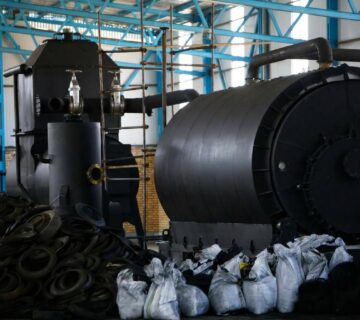
- Waste Tires and Rubber: One of the most common feedstocks used for pyrolysis oil production.
- Plastic Waste: Certain types of plastics that are suitable for pyrolysis.
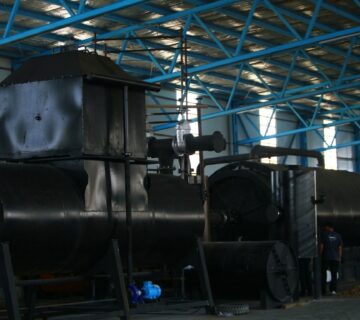
Inside a pyrolysis unit, these feedstocks are heated at high temperatures—typically between 300°C and 600°C—in an oxygen-free or very low-oxygen environment. The complex molecules in the feedstock break down into simpler and more volatile compounds. These gaseous and vapor-phase compounds then leave the reactor and pass through separate distillation and condensation units.
After cooling, the pyrolysis vapors condense into a liquid known as pyrolysis oil. The design and efficiency of the condensation process, as well as the separation systems used, play a major role in determining the quality of the final pyrolysis oil.
Pyrolysis Oil Characteristics and Quality
The quality of pyrolysis oil is a critical factor that determines its suitability and value for industrial applications. Several factors influence its final quality:
1) Feedstock Type:
- Tire Pyrolysis: Typically produces an oil with a specific hydrocarbon composition that can be suitable for use as an industrial fuel or as a petrochemical feedstock.
- Plastic Pyrolysis: The chemical composition of the resulting oil varies depending on the type of plastic used.
- Biomass Pyrolysis: Produces an oil containing higher levels of oxygenated compounds, often referred to as “bio-oil,” which generally requires additional refining before it can be used as a fuel or chemical feedstock.
2) Pyrolysis Temperature:
Higher temperatures generally result in greater molecular cracking, producing oils with lower molecular weights and a higher proportion of lighter hydrocarbons.
3) Reactor Residence Time:
The amount of time the feedstock remains under pyrolysis conditions affects the extent of decomposition and, consequently, the final composition of the oil.
4) Distillation and Purification System:
After pyrolysis, separation and purification processes play a key role in removing impurities and determining the final quality and market value of pyrolysis oil.
In general, pyrolysis oil produced from tires and plastics has different chemical characteristics from conventional fuel oil or diesel and may require refining or blending with other fuels depending on its intended application.
What Are the Applications of Pyrolysis Oil?
When discussing the applications of pyrolysis oil, we are essentially referring to its potential across a range of industrial sectors. The most important applications include:
1) Industrial Fuel:
Pyrolysis oil, particularly oil derived from tires and plastics, can be used as an alternative fuel in industrial furnaces, boilers, and certain industrial processes. This can help reduce dependence on conventional fossil fuels.
2) Feedstock for Petrochemical and Chemical Industries:
After appropriate processing and refining, certain fractions of pyrolysis oil can be used as feedstock for the production of chemicals or higher-quality fuels in petrochemical facilities.
Economic and Environmental Benefits of Pyrolysis Oil
The use of pyrolysis oil can offer both economic and environmental advantages:
Economic Benefits:
- Creating Value from Waste: Converting problematic waste materials into a marketable product.
- Reducing Feedstock and Fuel Costs: Using pyrolysis oil as an alternative industrial fuel or raw material.
- Creating Employment Opportunities: Supporting jobs in waste collection, processing, production, and marketing.
Environmental Benefits:
- Reducing Waste Volumes: Helping prevent the accumulation and landfilling of waste tires and plastics.
- Substituting Conventional Fossil Fuels: Helping reduce reliance on non-renewable resources.
- Reducing Pollution: Offering a more controlled alternative compared with improper or uncontrolled waste burning.
Challenges and Considerations in Using Pyrolysis Oil
Like any developing technology, the use of pyrolysis oil involves certain challenges that should be considered from a realistic and technical perspective:
- Variations in Quality: Oil quality varies depending on the feedstock and process conditions and may require careful control or additional refining.
- Treatment and Refining: Some applications require more advanced purification and refining processes.
- Standardization: Developing clear and consistent standards for pyrolysis oil can support its wider industrial acceptance.
- Market Development and Pricing: Establishing stable markets and pricing pyrolysis oil according to its quality and application requires further development.
- Environmental Considerations: If the pyrolysis process is not properly controlled, potential pollutant emissions must be carefully managed.
The Future Outlook for Pyrolysis Oil
With the continued growth of industrial waste generation and increasing demand for more sustainable energy sources and raw materials, pyrolysis oil has significant potential to become an important product within the circular economy.
Pyrolysis technology and its resulting products represent an important step toward smarter waste management and the transformation of environmental challenges into economic opportunities. Companies that enter this field with a responsible, technically driven approach can play an effective role in advancing sustainable industrial development.
Ready to Upgrade Your Production Line?
For expert consultation, technical assessment, and a solution tailored to your operational requirements, contact the Kiyan Saze Malahat team today.
Request Expert ConsultationConclusion: Pyrolysis Oil, an Opportunity Hidden in Waste
Ultimately, pyrolysis oil is a valuable product generated through an innovative process that converts waste materials—once considered a major environmental challenge—into useful resources. This liquid has strong potential for use as an industrial fuel, a chemical feedstock, and a contributor to the recycling and circular economy.
However, successfully realizing this potential depends on accurate technical knowledge, standardized equipment, continuous quality control, and a realistic understanding of both the advantages and challenges associated with pyrolysis oil.
Frequently Asked Questions (FAQ) About Pyrolysis Oil
Pyrolysis oil is a hydrocarbon-based liquid produced through the thermal decomposition of organic materials such as rubber, plastics, and biomass at high temperatures in the absence of oxygen.
No comment