

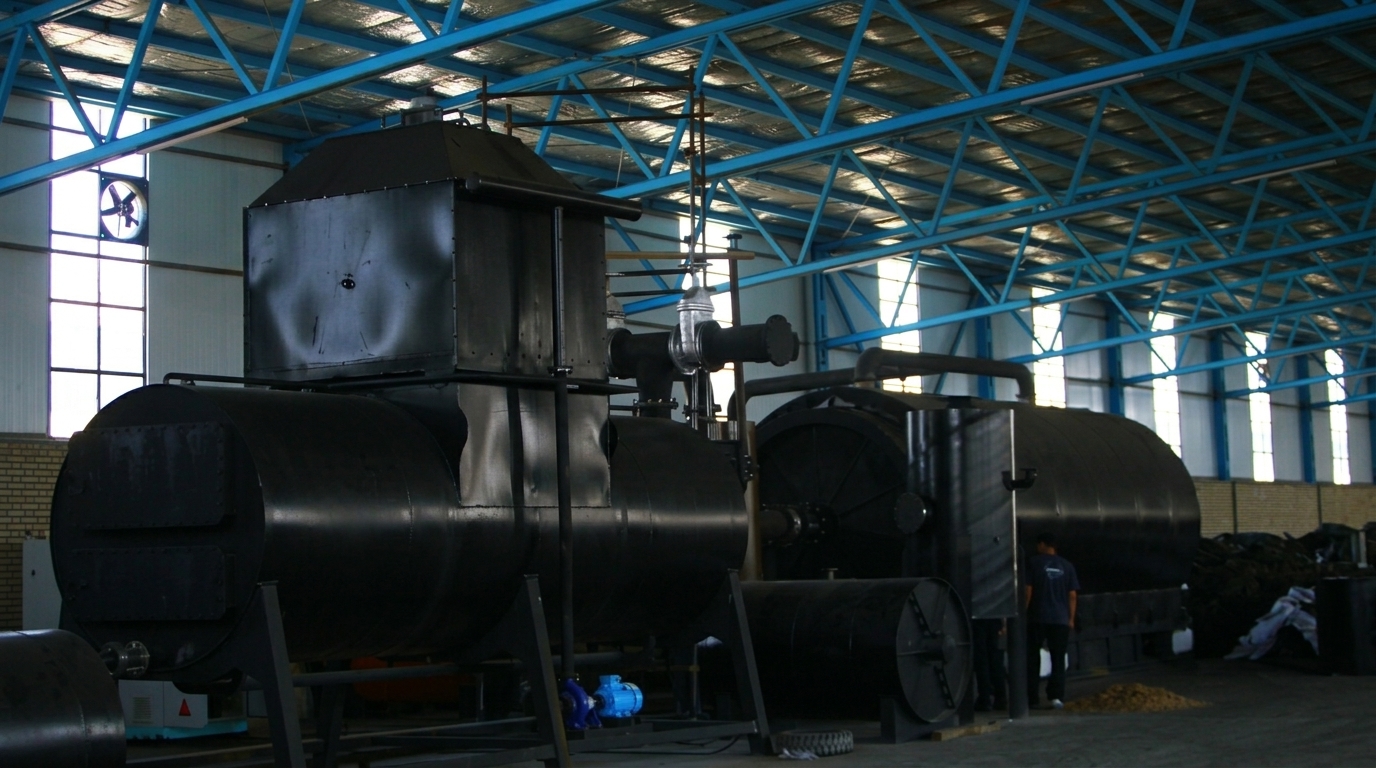
In today’s world, where we face environmental challenges such as increasing waste volumes, pollution of natural resources, and the urgent need to reduce dependence on fossil fuels, the search for innovative and sustainable solutions has become more important than ever. Among these solutions, pyrolysis equipment has emerged as an advanced technology in waste recycling and management, playing a key and positive role in protecting and improving environmental health.
Some may assume that industrial processes are inherently harmful to nature, but this view does not reflect the full picture. Intelligent technologies such as pyrolysis take a different approach by converting waste materials that could otherwise threaten the environment into valuable resources. Let us take a closer look at the role of pyrolysis equipment in protecting nature and how this technology can help move us toward a greener future.
Pyrolysis: A Responsible Approach to Waste Management
First, it is important to remember what pyrolysis is: a thermal decomposition process carried out in the absence of oxygen. Unlike direct combustion, which can release significant amounts of pollutants, pyrolysis allows complex materials such as rubber, plastic, and other organic waste to be broken down into more useful components.
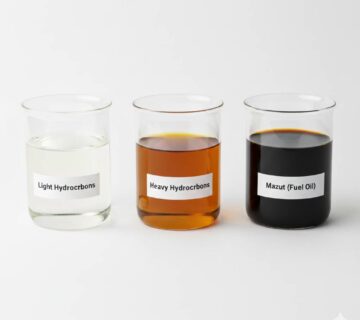
Instead of landfilling or releasing these waste materials into the environment, a pyrolysis unit introduces them into an industrial recovery cycle that produces valuable outputs such as pyrolysis oil, usable gases, and recovered carbon black. This means:
- Reduced Landfill Waste: Waste materials that could remain in the environment for many years and cause pollution are converted into new products.
- Prevention of Direct Pollution: Pyrolysis helps avoid improper waste burning, which can release smoke and toxic gases into the atmosphere.
The Role of Pyrolysis Equipment in Reducing Pollution
One of the most important environmental benefits of pyrolysis is its potential to help reduce different forms of pollution:
1) Reducing Soil and Water Pollution:
Improper disposal of tires and plastics not only occupies large areas of land but can also lead to harmful chemicals entering the soil and groundwater over time. By processing these materials, pyrolysis equipment helps prevent them from entering the environmental degradation cycle.
2) Reducing Air Pollution:
Open burning of tires and plastics can release large quantities of soot, heavy metals, and toxic compounds such as dioxins, posing serious risks to both human health and the environment. Controlled pyrolysis decomposes these materials without direct combustion while allowing process gases to be managed and potentially reused.
3) Producing Cleaner Alternative Products:
Recovered carbon black produced through tire pyrolysis can serve as an alternative to carbon black manufactured through conventional, resource-intensive processes. In addition, refined pyrolysis oil may be used as an alternative fuel, helping reduce reliance on more polluting conventional fossil fuels.
Pyrolysis and the Conservation of Natural Resources
A commitment to a greener future means using existing resources responsibly and preserving them for future generations. Pyrolysis equipment can also play an important role in this area:
1) Recovering Valuable Materials:
Pyrolysis enables materials such as rubber and plastic, which are originally derived from fossil resources, to be recovered and returned to industrial value chains. This can help reduce the demand for virgin resources and decrease pressure on natural reserves.
2) Producing Sustainable Energy:
The gases and oil generated through the pyrolysis process can be used as energy sources. Because these energy products are recovered from waste, they can help reduce dependence on conventional fossil fuels.
3) Reducing the Need for Landfilling:
By reducing the amount of waste sent to landfills, pyrolysis can help limit land degradation and environmental contamination.
Pyrolysis Equipment: A Technology Supporting Sustainable Development
Sustainable development means creating a balance between economic, social, and environmental needs. By enabling waste-to-product conversion, reducing pollution, and conserving natural resources, pyrolysis technology directly supports the principles of sustainable development.
This technology is particularly important for countries such as Iran, where waste management challenges and the need to expand recycling industries remain significant. The use of industrial-scale pyrolysis systems at appropriate capacities can contribute to the development of a genuine circular economy and help break the cycle of resource depletion.
A Realistic View of the Environmental Impact of Pyrolysis
While the positive environmental potential of pyrolysis is significant, it is equally important to approach the technology realistically and responsibly. As with any industrial process, careful design, implementation, and operational monitoring are essential to maximize environmental benefits:
- Process Control: Temperature, pressure, and process duration must be carefully controlled to minimize unnecessary pollutant formation.
- Emission Management: Process gases and vapors should be properly contained and treated where necessary.
- Equipment Quality: Using standardized, high-quality equipment plays an important role in optimizing the process and reducing unwanted environmental impacts.
- Output Product Management: Pyrolysis products, including oil and recovered carbon black, must themselves be properly managed and utilized.
Kiyan Saze Malahat recognizes this responsibility and places strong emphasis on uncompromising quality and integrity in execution, helping ensure that pyrolysis technology delivers value not only for industry, but also for the environment.
Ready to Upgrade Your Production Line?
For expert consultation, technical assessment, and a solution tailored to your operational requirements, contact the Kiyan Saze Malahat team today.
Request Expert ConsultationConclusion: Pyrolysis as a Path Toward a Greener Future
A pyrolysis unit is more than an industrial machine; it is a powerful tool for addressing modern environmental challenges. By converting problematic waste into valuable resources, reducing soil, water, and air pollution, conserving natural resources, and supporting sustainable development principles, pyrolysis technology can play an important role in building a greener future.
Raising awareness about the environmental role of pyrolysis means promoting a smarter, more responsible, and forward-looking approach to waste management. This is the path that Kiyan Saze Malahat continues to pursue with commitment.
No comment